Prosciutto, Gibanica, and Kafa: Everything You Need to Know About Serbian Cuisine
We always encourage you to try something new in your kitchen—experimenting with recipes and ingredient combinations. To help you master the diversity of Serbian cuisine, we’re launching a series of interviews with true gastronomic masters. Our first guest is Zarko Karaklajic, chef of the signature Serbian restaurant “N. Tesla”, located on Krasnoproletarskaya Street.
Article Contents:
- What_are_the_three_main_ingredients_at_the_basis_of_national_Serbian…
- How_would_you_describe_Serbian_cuisine:_simple,_hearty_or_maybe…
- In Do Serbians adhere to culinary traditions, or…
- What_would_you_make_for_the_first_course_from_national_cuisine…
- What_Serbian_dishes_do_Russian_women_prefer? Is there…?
- If_you_had_to_create_a_diet_menu_based_on…
- Glossary of Culinary Terms
- Urmashici
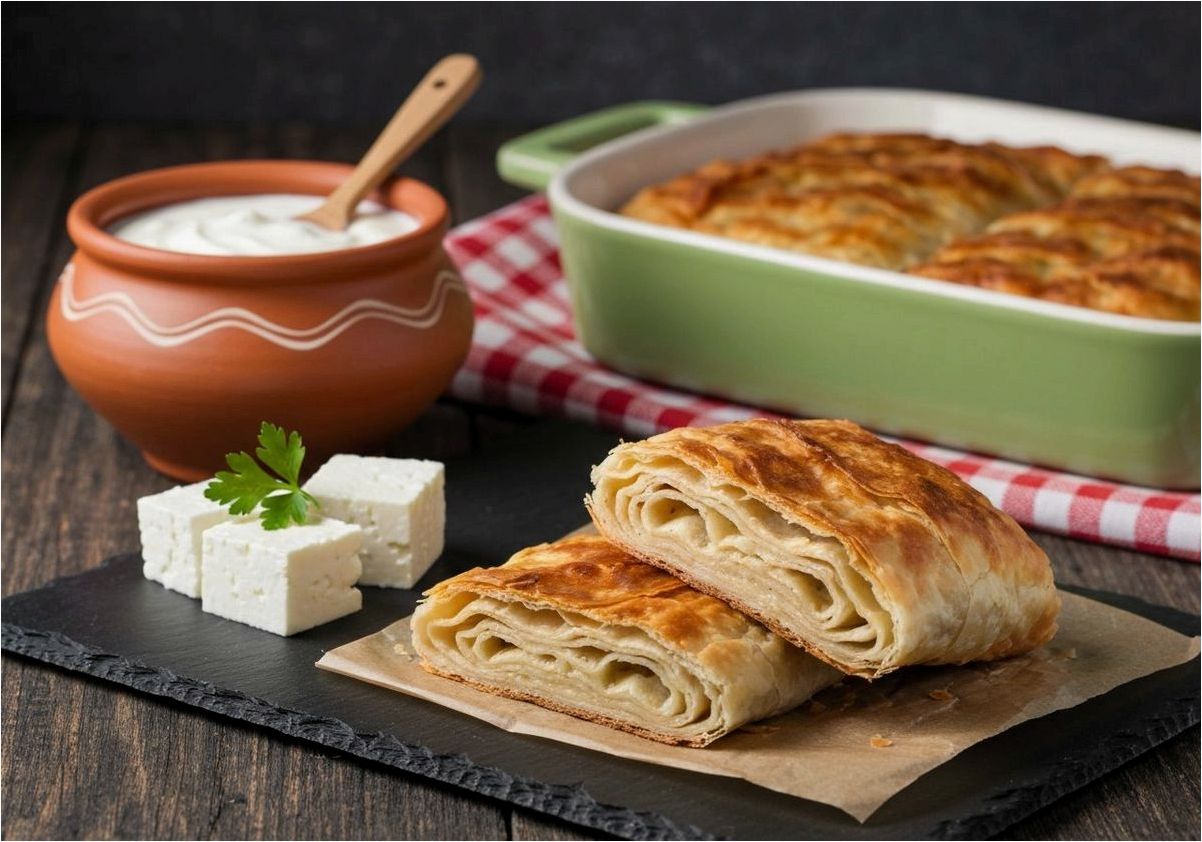
Serbian cuisine is a unique combination of Balkan, Eastern, and Mediterranean traditions. One of the most famous products is prsciutto, a cured pork ham often served as an appetizer with olive oil and fresh bread. Gibanica, another classic dish, is a layered pastry filled with cottage cheese and eggs, perfect for both breakfast and festive meals.
An integral part of the Serbian culinary experience is kafa, a strong black coffee sipped slowly, enjoying the conversation and the leisurely atmosphere. In a conversation with Žarko, we learn more about the intricacies of preparing these dishes, the traditions of serving them, and how modern cuisine adapts classic recipes to suit new tastes and preferences.
Stay with us to immerse yourself in Serbian cuisine and learn secrets from those who know it from the inside.
What are the three main ingredients that form the basis of Serbian national cuisine?
For Serbs, meat is an essential part of the diet, the number one food item. Second in importance is kajmak, a creamy cheese unique to Serbia. This product is a true symbol of national gastronomy, and many believe that kajmak cannot be produced industrially without losing its unique aroma and flavor. For example, gibanica, a famous multi-layered and delicate cheese pie, is made with kajmak and is extremely popular throughout the country. At the N. Tesla restaurant, this dish is one of the most beloved masterpieces. I’d give third place to bell peppers. They’re stuffed, grilled, used in fresh salads, and, of course, used to make “ajvar”—a traditional and very popular Serbian appetizer. Ajvar is made from firm red peppers, mashed to a caviar-like consistency. At N.Tesla, you’ll definitely be served this appetizer with fresh, aromatic Serbian bread.
Besides these three main ingredients, it’s worth noting the important role of corn, which is widely used in Serbian cuisine. It’s used to make traditional mamaliga—a thick porridge served as a side dish with meat and vegetable dishes. Also important is the use of herbs and spices, such as paprika, garlic, and dill, which impart a signature flavor to many dishes. Serbian cuisine is renowned for its hospitality and richness of flavor, combining simplicity with natural and fresh ingredients, making it truly unique.
How would you describe Serbian cuisine: simple, hearty, or maybe creative?
Serbian cuisine is a unique blend of many gastronomic traditions. It is based on an abundance of meat, vegetables, and artisan cheeses. Thanks to Serbia’s favorable geographical location, traditional recipes have evolved that are both simple and truly nutritious. In our restaurants, we harmoniously combine a classic approach with our own culinary ideas.
Chef of the signature Serbian restaurant “N. Tesla” on Krasnoproletarskaya Street is Žarko Karaklajić.
Serbian cuisine is a unique blend of Mediterranean (Greek influence), Middle Eastern (Turkish), and Austro-Hungarian culinary traditions. This is due to the similar geographical location, the availability of similar products, and the close proximity of the countries.
One of the key features of Serbian cuisine is the use of fresh and natural ingredients, many of which are home-grown. This gives the dishes a special richness and flavor. Traditional dishes such as ćevapčići, pljeskavica, and sarma are enduringly popular not only among locals but also tourists.
Also worth noting is the variety of baked goods—from crispy flatbreads and pies with spinach and cheese to hearty meat fillings. Serbian desserts like rumkina and palačinke make a wonderful end to a meal, offering sweet notes using nuts, honey, and fruit.
Serbian cuisine, with its modern twist, is open to experimentation: combining traditional recipes with new cooking techniques creates dishes that surprise and delight guests while maintaining the authenticity and warmth of national cuisine.
Do Serbians adhere to culinary traditions, or have modern global trends, like burgers, also become popular?
Our country deeply values ancestral traditions, including culinary ones. Of course, modern burger and pizza joints also exist and are popular. Serbs rightfully love Italian cuisine, but are also proud of their own. The national cuisine reflects the region’s richness and includes a variety of meat dishes, stewed vegetables, and fresh herbs such as paprika and garlic. Homemade recipes, passed down from generation to generation, are often found, forming an important part of the cultural heritage. Furthermore, a thriving gastronomic scene is opening in major cities, with establishments serving modern cuisine, including vegetarian and vegan restaurants, as well as coffee shops serving signature desserts.
Is there a stereotype that girls in Serbia are slender?
In general, our girls are indeed usually slender. However, as everywhere, people are different, and it is difficult to generalize. Furthermore, an active lifestyle and traditional home cooking contribute to maintaining health for many. In recent years, increasing attention has been paid to sports and healthy eating, especially among young people and urban residents.
How important is the calorie content of food to modern Serbian women, given that the national cuisine is quite rich—large portions, lots of pastries, and cheese?
The truth is that fewer and fewer people in Serbia pay attention to calories. They prioritize the rich, full-bodied flavor of a dish. However, interest in a healthy lifestyle is growing, and in large cities, low-fat and low-sugar foods, as well as dishes made with organic and local ingredients, are becoming popular. Many women try to balance traditional tastes with modern dietary trends, emphasizing moderation and variety in their diet.
What national cuisine would you cook for a first date?
First of all, I would offer a variety of Serbian appetizers: pršutto, authentic Serbian feta cheese, olives, and, of course, a bottle of good Serbian wine. If the girl doesn’t drink alcohol, then kafa (coffee) is an excellent option. For Serbians, it’s not just a drink, but an important part of conversation and sweet desserts. For the main course, I would choose something traditional, and for dessert I would prepare my favorite sweets, such as pita with apples or cherries, semolina cakes, airy kokh buns, as well as cakes with a large content of eggs, butter, chocolate and walnuts.
What Serbian dishes do Russian women prefer? Is there a clear leader among orders?
Most often, these are meat salads, and the “Steak Salad” with Dijon mustard is the undisputed leader. Although, if we had a “Caesar” salad on the menu, it would probably be the most popular (smiles). Besides salads, Russian guests love to order “ćevapcici”—traditional miniature Balkan sausages made from ground meat, fried until golden brown.
If you were to create a diet menu based on Serbian cuisine, what would it include?
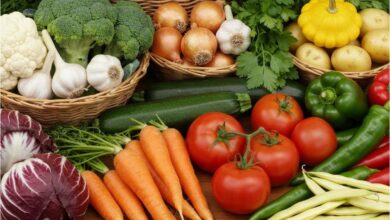
I would emphasize light and healthy dishes: fresh salads and grilled vegetables—they are extremely popular in Serbia. Bell peppers, tomatoes, cucumbers, and herbs are always included in the diet and are used both as side dishes and in main courses. Although the choice of salads is not that wide—the most popular are Shopska salad with feta cheese, beetroot salad according to a classic Serbian recipe, and, surprisingly, “Greek.” Also, a dietary menu would certainly include Serbian soups: thick chorba and fruit and vegetable potage.
Glossary of Culinary Terms
- Chorba — a rich soup made with beef broth, vegetables, and spices;
- Gibanitsa — a multi-tiered cheese pie;
- Muchkalitsa — pork stewed with vegetables;
- Chvartsy — a type of dried meat;
- Urmashitsy — airy buns;
- Pechenie — meat roasted on a spit;
- Sarma — meat cabbage rolls, Wrapped in cabbage leaves;
Chevapchichi
- 500-600 g minced meat (beef and veal, pork is acceptable)
- 3 cloves garlic
- 1 medium onion
- 2 tablespoons vegetable oil
- Salt and ground pepper to taste
- Several slices of bacon (for the number of sausages)
- Finely chop the onion, crush the garlic and add to the minced meat.
- Pass the minced meat through a meat grinder again or puree in a blender until smooth. Add salt and pepper, mix thoroughly, and form sausages about 8-10 cm long. Wrap each piece in bacon.
- Heat the oil in a frying pan and fry the ćevapčići on all sides until cooked through.
Beetroot salad according to a traditional Serbian recipe
- 80 g iceberg lettuce
- 60 g boiled beets
- 40 g Serbian feta cheese
- Balsamic vinegar – to taste
- Olive oil – to taste
- 1 clove garlic
- Finely chop the iceberg lettuce.
- Cut the boiled beets into thin strips and marinate for at least two hours in a mixture of balsamic vinegar, olive oil, and crushed garlic.
- Dress the iceberg lettuce with olive oil and vinegar, and season with salt. Mound the salad on a plate, carefully arrange the beets on top and sprinkle with grated feta cheese.
Urmashitsy
Yield: 8–10 servings
- 250 g butter
- 1 egg
- 1 teaspoon baking powder
- 1 cup natural yogurt
- A pinch of salt
- 450 g whole-wheat flour
- For the syrup:
- 600 g sugar
- 500 ml water
- 1 lemon
- Preheat the oven to 200°C.
- Make the syrup: pour the sugar into a saucepan, cover with water, and bring to a boil. Add the thinly sliced lemon, reduce the heat, and simmer for 10 minutes. Then remove from the heat and let cool.
- For the dough, mix the softened butter with the egg, add the yogurt, and mix thoroughly until smooth. In a separate bowl, combine the flour, baking powder, and salt, then gradually add to the liquid mixture, kneading into a soft, elastic dough.
- Form the dough into a log and cut into finger-thick pieces. Roll each piece into a ball, then press it with a grater to create a lattice pattern. Place the buns on a baking sheet and bake for 20–25 minutes. Place the finished products in a deep container and pour cold syrup over them.