Ballerinas’ Nutrition: The Main Secrets
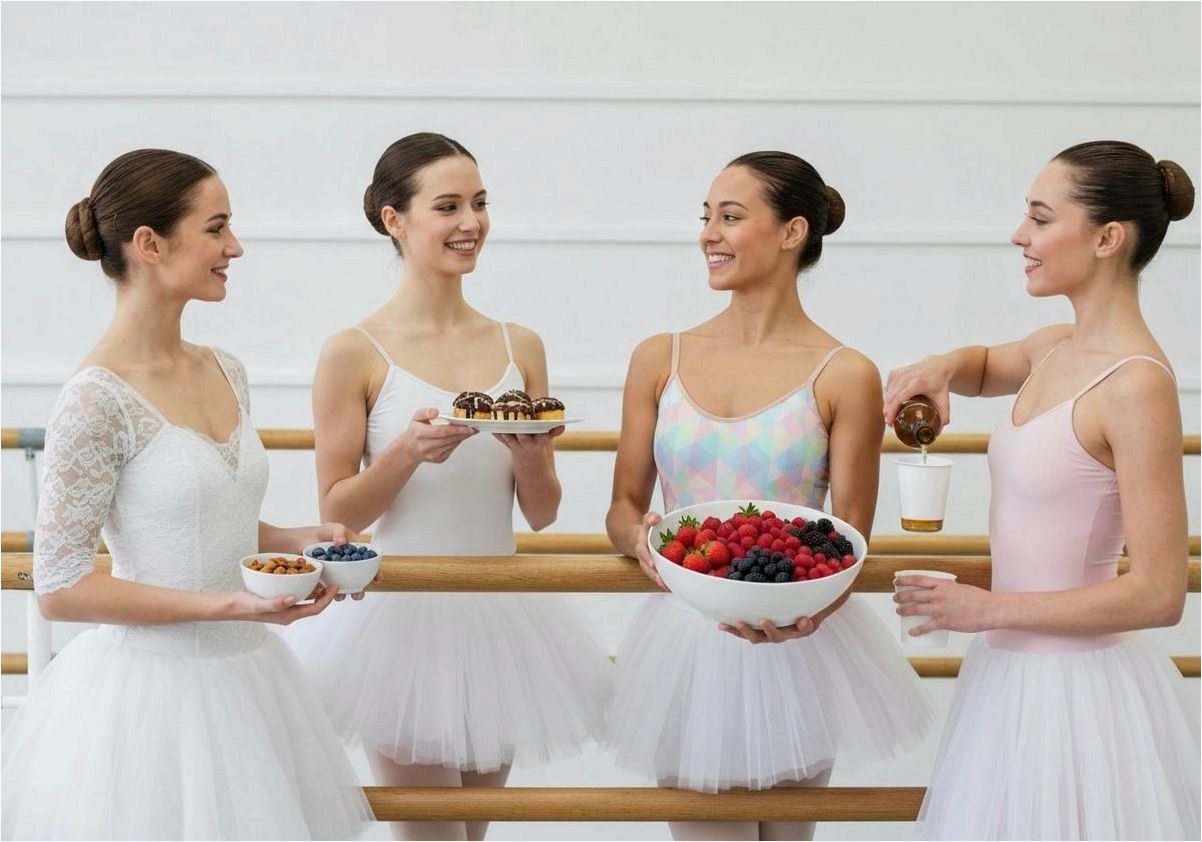
Ballerinas’ diets have evolved over a long period of time, as proper nutrition for a dancer is not just a choice, but a professional necessity.
Article Contents:
the amazing flexibility, grace, fluidity of movement, and elegance of ballet dancers are the result of their diligent training and discipline. Many find it difficult to replicate complex dance steps, but anyone can learn and apply the basic nutrition principles that ballerinas follow.
Basic Principles of Ballerinas’ Nutrition
Ballerina diets are a source of great interest, and understandably so—their weight is strictly controlled and typically does not exceed 50 kg.
So how can you create a diet that will help you stay slim, active, and at the same time provide the body with energy for long, intense workouts?
1. Eat small, frequent meals
The first rule is to eat frequently, but in small portions. Try not to get too hungry; eat every 1. 5–2 hours, for a total of at least six times throughout the day. This helps maintain blood sugar levels and avoid overeating.
2. Eat a Regular Morning Meal
Breakfast is essential. One option: a quarter pack of low-fat cottage cheese, a diet breadstick, a slice of cheese, and a cup of coffee (tea can be substituted). Avoiding sugar is encouraged; instead, try a small spoonful of honey dissolved in a warm glass of water. Breakfast improves metabolism and provides energy for morning workouts.
3. Eliminate unhealthy foods
Ballerinas eliminate sweets, potatoes, baked goods, and even regular bread from their diet. Only a small amount of dark chocolate is allowed from time to time. Eliminating these foods helps avoid excess calories and maintain a slim figure.
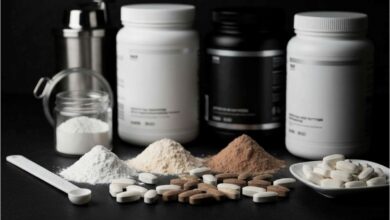
4. Vitamin complexes and micronutrients
To maintain the elasticity of the ligaments and a stable weight, vitamin preparations, nutritional supplements and soy products must be introduced into the diet. Almost all elements of the periodic table are present in a balanced form with the help of specialized additives. Particular attention is paid to calcium, magnesium and B vitamins, which support healthy bones and the nervous system.
5. Steaming and blending
Having a steamer and blender should be considered a must if you don’t already have them in your kitchen. It is advisable to eat only freshly prepared food, preferably boiled, baked without oil or steamed. This allows you to preserve nutrients as much as possible and facilitates digestion.
6. Late dinner is not prohibited
Late eating is not considered a violation. Light dinner from vegetable salad or steamed fish will help restore strength after a busy day. The main thing is to control calories and not eat heavy food late in the evening, so as not to overload your stomach before bed.
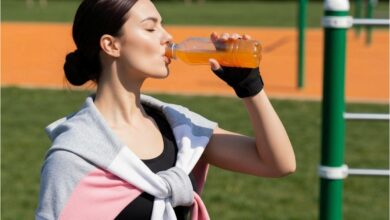
7. Drinking enough fluids
An important aspect of the diet is sufficient water consumption – at least 1. 5–2 liters per day. In addition to water, herbal teas and freshly squeezed juices in moderation are beneficial. Proper water balance helps eliminate toxins and maintains the body’s performance.
8. Proteins, fats and carbohydrates in the correct proportions
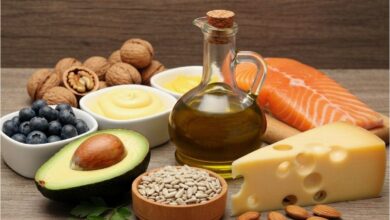
The diet should contain enough protein to restore muscles after exercise – lean meat, fish, eggs, legumes and dairy products. Healthy fats (such as those from nuts, avocados, and vegetable oils) are essential for maintaining hormonal balance, while complex carbohydrates (whole grains, vegetables) provide long-term energy.
9. Attention to sleep and recovery patterns
A ballerina’s nutrition is closely related to her rest regime. Quality sleep and timely recovery allow the body to fully absorb nutrients and recover after training.
Moderation is the Key to Success
The famous ballerina Ilze Liepa advises strictly adhering to the norm of carbohydrate consumption – 2 grams per kilogram of weight per day. Ignoring these recommendations leads to negative consequences: headaches, irritability, rapid fatigue and decreased vitality.
It is also important to include both plant and animal fats in your diet, giving preference to unsaturated animal fats. The main sources are white poultry meat and sea fish. Vegetable fats are very high in calories, so nuts and seeds should be consumed in doses. Similarly, foods high in fructose and glucose should be limited, as they cause fluid retention and swelling.
In addition, you should limit your intake of salt, hot sauces and vinegar, opting for healthy substitutes such as lemon juice instead of vinegar.
Diet is no less important: it is recommended to eat small portions 4-5 times a day. This helps maintain energy levels and prevents overeating. Do not forget also about sufficient water consumption – at least 1. 5-2 liters per day to maintain water balance and help remove toxins from the body.
To fully restore and maintain the health of the body, it is important to include a sufficient amount of protein in the diet – approximately 1. 5 grams per kilogram of weight per day. Sources of protein include lean meats, fish, eggs, dairy products, and for vegetarians, legumes and soy products.
Finally, don’t forget the importance of vitamins and minerals. Fresh vegetables and fruits will provide the body with essential antioxidants, which help fight stress and improve overall health.
Health Comes First
According to Honored Ballet Artist Maria Allash, her weight remained unchanged for a long time – she weighed 50 kg with a height of 170 cm. After the birth of her child, she quickly returned to her usual figure, not adhering to strict restrictions and sometimes allowing herself fried or sweet foods. It’s all about a busy work schedule.
Want to know how ballerinas maintain optimal weight?
The menu of the famous ballerina includes: breakfast with cottage cheese or porridge, lunch, which always starts with hot soup, and for dinner, fish with vegetables or meat is preferable. Light snacks are allowed throughout the day: an apple, yogurt, a small handful of nuts or a banana. It seems difficult to give up tasty and familiar dishes for healthy and low-calorie food?
However, eating right can be very appetizing! Several recipes are specially designed for ballerinas – they are simple, healthy and do not contain extra calories. Be sure to take note of them!
CARPACCIO & ldquo; FERKHAD& rdquo;
- 2 zucchini squash
- 3 ripe tomatoes
- 10 g each parsley and basil
- 5 g garlic
Thinly slice the zucchini and grill without oil. Roast the tomatoes in the oven, then carefully peel them.
Chop the flesh and mix with finely chopped herbs and crushed garlic. A little spice and a teaspoon of olive oil will add a sophisticated flavor. Spoon the tomato mixture over the zucchini and serve!
ESMERALDA CREAM SOUP
- 300 g pumpkin
- 100 g onions
- 100 g flaked almonds
- 10 g pumpkin seed oil
Peel the pumpkin (remove the seeds and skin), boil it with the onions, then blend until creamy, adding more broth as needed. Add a spoonful of pumpkin seed oil, garnish with flaked almonds, and the cream soup is ready!
SHAHERAZAD MUSHROOMS
- 200 g oyster mushrooms
- 100 g celery
- 100 g potatoes
- 50 g onions
Lightly grill the mushrooms, then finish cooking in the oven, seasoning to taste.
Boil the peeled celery with the onion until soft, then blend until smooth. Garnish with parsley and serve as a side dish with the mushrooms!
6 Healthy Foods
- Tomatoes are rich in lycopene, which helps quickly relieve muscle fatigue and invigorates the body.
- Mint and basil promote rapid recovery after exercise.
- Artichokes stimulate metabolism thanks to their high enzyme content.
- Parsley is effective in reducing swelling.
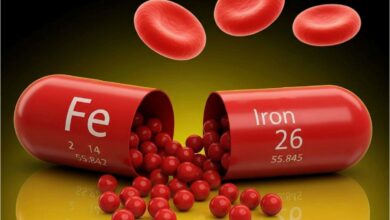
- Tuna is essential for strengthening joints and ligaments. Spinach is rich in iron and vitamins, which are especially important during intense training.
- Ballerinas’ Nutrition: The Key Secrets