Three popular misconceptions about herpes
The herpes simplex virus is widespread: two types of it circulate in the human population – I and II. “There are many untrue ideas and stereotypes, due to which people cannot objectively assess the importance of carrying out tests when a herpes infection is suspected or adequately approach the treatment of its manifestations,” explains Olga Viktorovna Malinovskaya, head of the medical department of the federal network of laboratories KDL.
Contents of the article:
the first misconception is that herpes is considered exclusively a disease with pronounced symptoms. In fact, many carriers of the virus do not experience any symptoms, while remaining sources of infection. This makes regular testing especially important, especially if your partner has been diagnosed with herpes.
The second common opinion is that herpes can be cured completely. Unfortunately, the virus remains in the body for life, being in a latent state. Current treatments are aimed at reducing the activity of the virus, reducing the frequency of relapses and alleviating symptoms, but there is no complete cure yet.
The third misconception concerns how the virus is transmitted. Many people believe that herpes is transmitted only through sexual contact or through rashes. However, the virus can be transmitted through saliva, kissing and sharing personal hygiene items, as well as during periods without visible symptoms, making preventive measures and awareness especially important.
Thus, a conscious attitude towards the disease, regular examination and timely treatment will help control the infection and reduce the risks of transmitting herpes to other people.
Misconception 1: If there are no symptoms, then the virus is not present.
The herpes virus is present in millions of people, but many do not even know about it. The virus is often discovered by accident – during routine tests, for example, during pregnancy or in preparation for surgery.
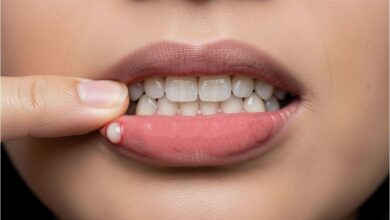
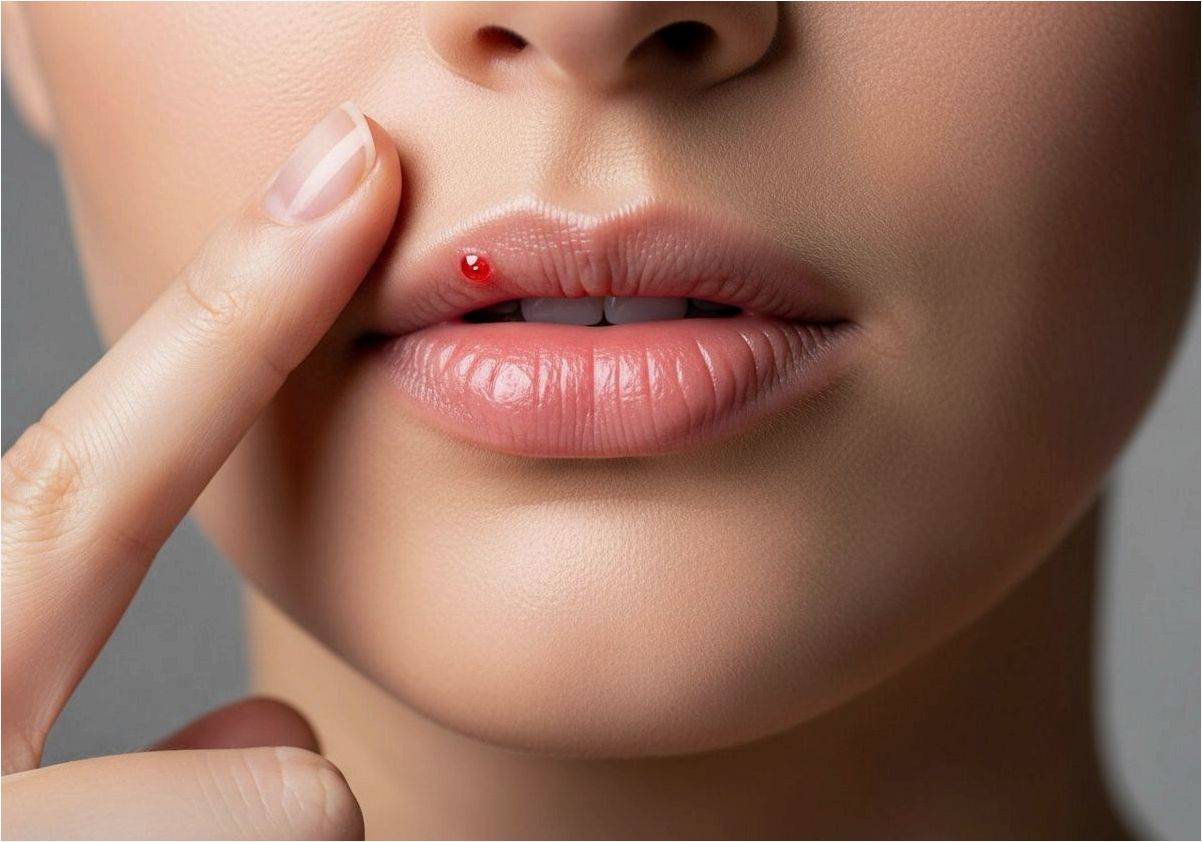
Infection usually occurs in childhood, and a person may not remember or be aware of the circumstances of infection. Herpes simplex virus type I is called oral herpes because it manifests as inflammation of the oral mucosa and ulcers on the lips, although it can also affect other organs. Herpes type II typically causes rashes in the genital area, but its manifestations can also occur on other parts of the body.
The absence of symptoms does not necessarily mean the virus is absent from the body. In most cases, herpes remains latent and reactivates when the immune system is weakened.
It is important to understand that even during the latent period, the virus can be transmitted to others, especially through close contact, so the use of protective equipment and precautions remain essential. Furthermore, regularly strengthening the immune system—eating well, getting enough sleep, minimizing stress, and avoiding unhealthy habits—helps reduce the frequency of relapses and keep the virus under control. Modern diagnostic methods, such as PCR (polymerase chain reaction), can detect the virus with high accuracy, even in the absence of symptoms. If you are concerned about possible risks or require preventative treatment, it is recommended to consult a specialist.
Myth 2. Herpes can be contracted through a toilet seat
Misconception 2: You can get herpes from a toilet seat.
Transmission of the virus through personal hygiene items or toilet seats is extremely unlikely, as the virus quickly loses viability outside the human body. Exposure to sunlight, soap, and disinfectants helps to quickly destroy it.
Myth 3. Herpes can be cured once and for all
Misconception 3. You can get rid of herpes once and for all
“When herpes blisters appear, avoid using alcohol-based antiseptics,” warns Olga Malinovskaya. “This won’t speed up the healing process, but it can cause burns to the skin and mucous membranes.”
For accurate virus detection during the acute phase of the rash, PCR testing (a DNA test for herpes simplex virus types I and II) is recommended. This test helps determine the cause of the rash and is especially important for genital herpes, as similar symptoms can be caused by other infections. Blood or fluid from herpes blisters on the skin and mucous membranes is used as a biomaterial.
Herpes Treatment and Prevention
Methods of treatment and prevention of herpes
For systemic control of relapses, a course of antiviral medications is prescribed in prophylactic doses. This helps reduce the frequency and severity of flare-ups, especially in cases of frequent outbreaks or in patients with weakened immune systems.
Support your immune system with a balanced diet, regular exercise, and quality sleep.
B vitamins, vitamin c, and zinc improve the body’s resistance to viruses Avoid prolonged exposure to ultraviolet radiation and stressful situations, as they trigger viral activation. Use protective products for lips and face, especially in sunny areas maintain personal hygiene: avoid touching rashes, wash your hands regularly, and avoid sharing personal hygiene items and utensils. This reduces the risk of transmitting the infection to others and prevents self-infection.
Three common misconceptions about herpes