Four difficulties – a single answer: how fitness helps improve well-being
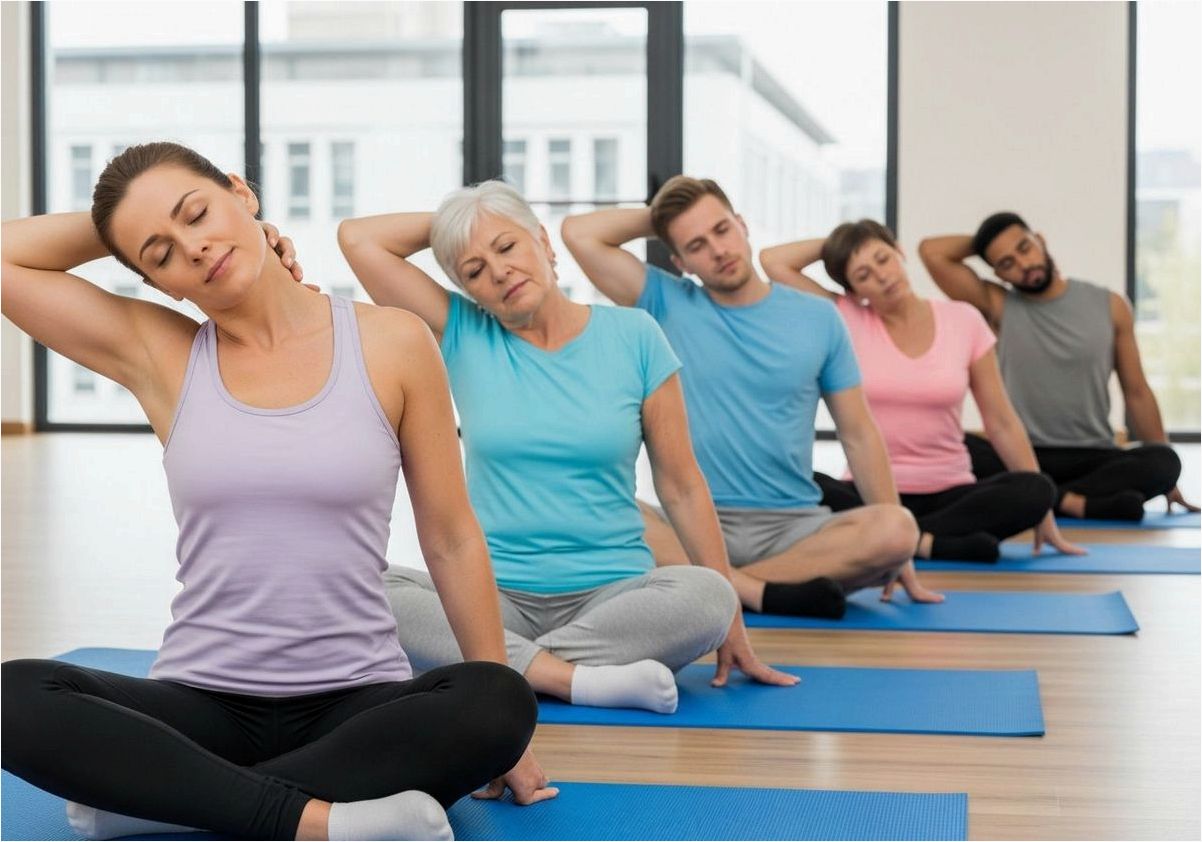
Physical exercise helps improve shape, strengthen muscles and increasing endurance. But these are not all the benefits: body activity is a real healer! We’ve chosen four common health problems and figured out how training help deal with them.
Contents of the article:
1. Stress and anxiety. Regular exercise helps reduce the level of cortisol, the stress hormone, and promotes the production of endorphins, which improve your mood and overall psycho-emotional state. Even 30 minutes of intense walking or light jogging is enough to feel relaxed and at peace.
2. Diseases of the cardiovascular system. Physical activity strengthens the heart muscle, improves blood circulation and lowers blood pressure. Complex aerobic exercise such as running, swimming or cycling, promotes maintaining a healthy cholesterol levels and reduce the risk of heart disease.
3. Problems with the musculoskeletal system. Regular strength and stretching exercises help strengthen muscles, improve flexibility and joint mobility. It relieves pain from chronic conditions such as osteoarthritis and improves quality of life by reducing the risk of injury.
4. Poor sleep and fatigue. Physical activity helps normalize sleep cycles, help you fall asleep faster, and improve your quality of rest. However, you should avoid intense exercise immediately before bed – it is better to exercise at least 2-3 hours before going to bed.
Thus, fitness is not only a way to get a beautiful body, but also an effective tool for preventing and improving many aspects of health. The main thing is to choose the right type of activity and do it regularly!
Colds and flu
Regular exercise strengthens the body’s immune defense, reducing the likelihood of catching a cold and making it easier to fight viruses and infections. A study by Korean scientists showed that those who exercise regularly have a 27% reduction in the risk of developing ARVI compared to those who do not engage in physical activity. To maintain immunity, it is recommended to give preference to functional and cardio training, such as HIIT, speed running or cycling.
“Yoga is considered an additional measure to prevent colds and flu, Pilates and breathing exercises ,” notes Alena Gribanova, XFIT expert. “They help reduce stress, which weakens the immune system, and also strengthen the respiratory system and lung tissue, reducing the risk of inflammation. Don’t forget about recovery: after intense exercise, it is important to sleep 7-9 hours a day and eat a balanced diet, providing the body with all the necessary vitamins, especially C, D and zinc, which support immune function.”
Swelling of the legs
Complex of special exercises for legs improves blood circulation in the lower extremities, stimulates the movement of fluid in the body and helps the veins effectively perform their main task – return blood back to the heart. Try this short complex from XFIT master trainer Elizaveta Sokolova, which will relieve heaviness and reduce swelling in the legs in 10-15 minutes.
- How to do it: perform the exercises sequentially, repeating each exercise the required number of times. It is important to take your time and breathe evenly while performing.
- What you will need: support (such as a counter or wall) and a yoga mat.
1. Stretch the back of the legs
Lean forward, resting your left hand on a support (counter or wall). The left leg is in front, the right leg is behind, the toe is pointed down. Pull the heel of your right foot toward the floor, feeling a stretch in your shin (while bending your supporting leg slightly and transferring your weight to your toes). Return to the starting position. Do 8-10 reps, then switch legs and repeat.
2. Lying down: flexion and straightening of the foot
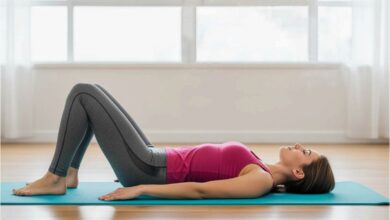
Lie on your back, bend your legs, feet flat on the floor. Straighten your left leg up, pull your toe first towards you, then away from you. Perform 8-10 repetitions, then switch legs and repeat.
3. Passive toe flexion
Sit with your legs extended in front of you. With your left hand, gently spread the toes of your right foot and, keeping your foot relaxed, bend your toes with your hand. Repeat 8-10 times, then switch sides and do the same.
4. Activate the calf muscles
Standing against a support (post or wall), hold on with your left hand. The left leg is slightly bent in front, the right leg is straightened behind. Pressing your right heel into the floor, try to lift the front of your foot off the ground. Then roll onto your toes, lifting your heel. Do 10-15 repetitions, then switch legs and repeat.
5. Half-toe raises with pointed toes
Stand straight, feet together, toes turned to the sides. Press your heels slightly against each other and rise up onto your toes, then smoothly lower back down. Repeat 10-15 times.
6. Half-toe raises with toes inward
Stand straight, feet together, toes pointing inward. Point your toes together and rise up onto your toes, then lower back down. Perform 10-15 repetitions.
Stress and depression
Physical activity is an important ally in the fight against emotional instability and stress. During exercise, complex biochemical processes are activated in the body, which stimulate the release of endorphins, dopamine and serotonin – the so-called “happiness hormones”, which are responsible for improving mood.
According to the All-Russian Center for the Study of Public Opinion (VTsIOM), 19% of Russians constantly experience stress, and another 71% are susceptible to anxiety from time to time. “For chronic tension, low- and medium-intensity workouts are recommended, such as swimming, Pilates and functional exercises,” advises XFIT master trainer Anastasia Yurkova. – Choose activities that are enjoyable and not exhausting. For example, when swimming, contact with water has a beneficial effect on the nervous system, and proper breathing in water accelerates the restoration of internal balance.” To maintain psycho-emotional balance it is useful to diversify your workouts: moderate-intensity cardio helps reduce the level of cortisol (stress hormone), coordination exercises (dancing, team sports) activate the brain and improve memory, while yoga and breathing practices promote relaxation and normalize sleep.
In addition, proper nutrition is the most important factor not only for physical, but also for emotional stability. “Lack of vitamins and microelements, such as iron, B vitamins , D and C, can increase fatigue, reduce motivation and spoil mood, explains the sports medicine doctor, nutritionist and XFIT expert Ekaterina Strelnikova. “At the same time, consuming fast food and foods high in trans fats and refined sugar causes sharp fluctuations in blood sugar and insulin levels. This leads to irritability and a deterioration in overall well-being.”
Parasitic infections
The presence of parasites in the body is usually accompanied by weakness and fatigue due to iron deficiency, digestive disorders, skin rashes, and a weakened immune system.
According to statistics from the World Health Organization (WHO), soil-transmitted helminthiasis affects approximately 1. 5 billion people worldwide, representing approximately 24% of the planet’s population. Parasite infection occurs through the mouth due to poor hygiene: unwashed hands, vegetables and fruits, contaminated water, or undercooked food. Parasites can also enter through the nose by inhaling dust, sexually through mucous membranes, or through other routes. It’s impossible to completely eliminate the risk of infection, but it can be significantly reduced by following basic rules. “It’s important to maintain cleanliness, drink only high-quality water, cook food thoroughly, limit your consumption of sweets, flour products, and fatty foods (parasites ‘love’ sugar, gluten, and trans fats), and exercise regularly. Even light morning exercise helps improve bile flow, which strengthens the body’s defenses,” summarizes general practitioner and XFIT specialist Ekaterina Ladygina Four difficulties – one answer: how fitness can improve well-being