World Obesity Day: expert opinion
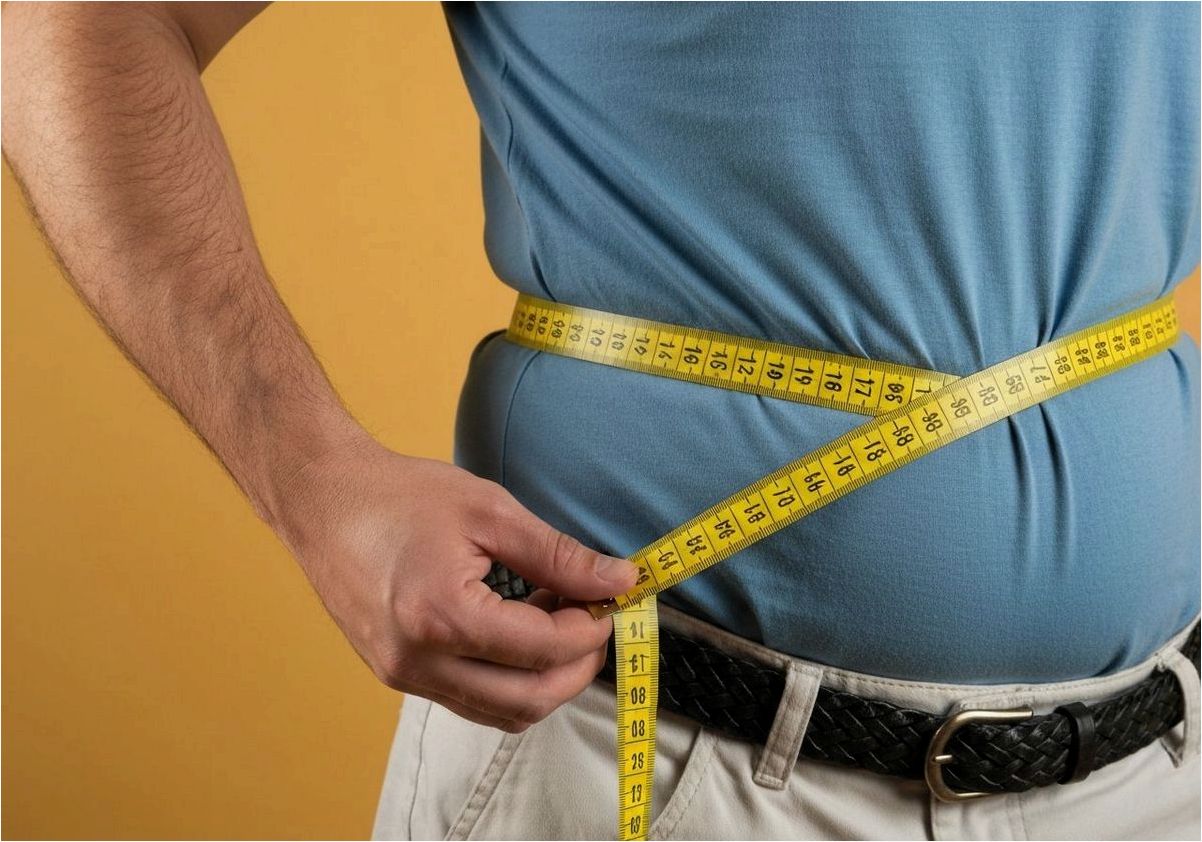
October 11 is World Obesity Day. This disease significantly impairs the quality of life and serves as a cause or concomitant factor in the development of many chronic pathologies. About the causes of obesity and effective ways overcoming it was told by Elena Demina, Candidate of Medical Sciences, endocrinologist of the Department of Endocrinology of the Russian Children’s Clinical Hospital of the Russian National Research Medical University named after. N. I. Pirogov of the Russian Ministry of Health.
Contents of the article:
- What causes obesity and is there a hereditary tendency to
- What complications arise from obesity?
- Mono-diets, liquid diets and bariatric surgery – benefits or
- What are the prospects for treatment and recovery?
- Additional recommendations for obesity prevention
- The role of medical supervision and support
- Psychological support as a key element of therapy
- Psychological and social factors of obesity
What causes obesity and is there a hereditary tendency towards it?
Obesity is a collection of both hereditary and acquired conditions associated with excessive accumulation of fat in the body. The most common form is considered to be constitutional exogenous obesity (the so-called primary obesity), caused by the consumption of excess energy due to genetic predisposition and low physical activity. This disease has a hereditary component, but its severity and likelihood of development are influenced by many external factors. Among them are family habits overeat , excessive exposure to junk food advertising, lack of exercise, unbalanced diet and the habit of comforting food when stressed. Genetics plays a key role in rare cases of monogenic and syndromic obesity.
Obesity is characterized by excess fat deposits, including accumulation around internal organs, which negatively affects their functioning. Rising rates of obesity among children are of particular concern: in some countries, one in three children is overweight or obese, with 75% of these children continuing and worsening the problem into adulthood.
What complications arise from obesity?
Overweight and obesity can lead to serious complications:
- Increased risk of diseases such as type 2 diabetes mellitus, hypertension, coronary heart disease;
- Negative effects on the reproductive system;
- Weakening of respiratory function, which contributes to frequent colds; in severe cases, sleep apnea syndrome develops, which is potentially life-threatening;
- Problems with the musculoskeletal system due to additional stress on the joints and spine;
- Development of liver diseases (fatty hepatosis) and bile ducts (cholecystitis, cholelithiasis).
In children, obesity often provokes a decrease in self-esteem, which can lead to depressive disorders.
Mono-diets, liquid diets and bariatric surgery – benefit or harm?
Previously, the therapeutic capabilities of pediatricians and pediatric endocrinologists were limited to diet therapy and moderate physical activity, which often gave a short-term and insignificant effect on weight loss
currently popular monorations (when only one type of product is consumed) and liquid diets do not provide a balanced supply of nutrients and may be harmful to health in the long term, so they are strictly not recommended for children.
In accordance with modern clinical recommendations for the treatment of overweight and obesity, preference is given to a normocaloric diet, balanced and adequate for the child’s age. It includes the required amount of proteins, carbohydrates, fats, vitamins and microelements, and also takes into account the patient’s individual taste preferences.
In severe forms of obesity and when conservative methods are ineffective, bariatric surgery may be considered – reducing the volume of the stomach. This method, which developed with the advent of minimally invasive laparoscopic operations, is used in children strictly if certain criteria are met: age, puberty (closure of growth plates), body mass index (BMI) above 35 kg/m& sup2; in the presence of severe complications or BMI above 40 kg/m& sup2; regardless of complications. An important condition is the absence of psychiatric diseases and disorders.
We also recommend reading: Weight loss strategy: what are you doing wrong?!
What are the prospects for treatment and recovery?
It should be understood that childhood obesity is a chronic disease that has serious consequences in adulthood. The risk of developing diabetes mellitus and cardiovascular diseases increases significantly. In 60% of obese children, obstructive sleep apnea syndrome is detected, and fatty liver degeneration may increase. Psychological difficulties also arise.
Global treatment standards require an integrated approach: adjusting eating behavior, increasing physical activity, and using behavioral techniques with the participation of a psychologist. Equally important is working with the family, without whose support any treatment risks being ineffective. In the future, if there is no result from conservative measures, medical or surgical methods are considered.
The prognosis depends on the degree of complications. Losing weight by at least 10% reduces the risk of developing diabetes by 30-40%. Correcting body weight reduces the load on the cardiovascular system and helps prevent hypertension and degenerative joint diseases. The best results are achieved in the early stages of the disease with strict adherence to the recommendations of doctors.
Additional recommendations for obesity prevention
To prevent obesity, it is important to create a healthy environment both at home and in educational institutions. Parents are advised to pay attention not only to the child’s diet, but also to the lifestyle of the entire family. Exercising together, limiting screen time, and getting into the habit of drinking enough water are effective measures.
Of particular importance is the early introduction of physical activity adapted to the age and interests of the child, which contributes to the formation of sustainable motivation for an active lifestyle.
In addition, it is important to control your sleep patterns: lack or disruption of sleep is directly linked to an increased risk of obesity.
The role of medical supervision and support
Regular medical observation allows for timely detection of deviations in weight and metabolism, adjustment of treatment and adaptation of recommendations. Leading experts emphasize the importance of an interdisciplinary approach, including endocrinologists, nutritionists, psychologists and physical rehabilitation specialists.
Modern monitoring methods, including the use of mobile applications and physical activity trackers, can increase patient motivation and provide feedback to doctors.
Psychological support as a key element of therapy
Psychological help helps to cope with the emotional reasons for overeating and relieve stress, which is often a trigger for weight gain. Involving the child in group and individual classes, developing a positive attitude towards one’s own body helps to improve the results of therapy and reduce the risk of relapse.
Psychological and social factors of obesity
Manage your stress and emotions to reduce your risk of gaining excess weight. Research shows that chronic stress increases cortisol levels, which contributes to the accumulation of belly fat. Practice relaxation techniques such as breathing exercises and meditation to stabilize the emotional background and reduce emotional eating.
Pay attention to the quality of social connections. The feeling of support from family and friends directly affects motivation for a healthy lifestyle. People experiencing social isolation are more likely to overeat and become less active. Regular communication and participation in support groups help develop healthy habits and resistance to stress.
Develop mindful eating. Often, food consumption occurs automatically, without control over the quantity and quality of food. Mindful eating helps you recognize your hunger and satiety cues, which reduces your risk of overeating. Use mindful eating techniques, including chewing slowly and eliminating distractions while eating.
Consider the influence of self-esteem and body image. Low self-esteem can stimulate negative eating habits and motivation to avoid physical activity. Work on a positive self-image through psychological support and professional counseling.