How to Create a Comfortable Space for Meditation
In a dedicated space, we focus our attention on a specific activity. This applies even to the most mundane daily tasks. Of course, you can grab a quick bite on the go or work on a train. However, food is digested better when eaten at a set table, and productivity increases significantly in a quiet, well-equipped office. Spiritual development requires even deeper concentration, so choosing and preparing a space for practice is crucial.
Article contents:
experienced meditators are able to immerse themselves in the practice anytime, anywhere. Beginners, however, often find it difficult to focus on their inner state, as external stimuli and noise distract them and prevent them from turning inward.
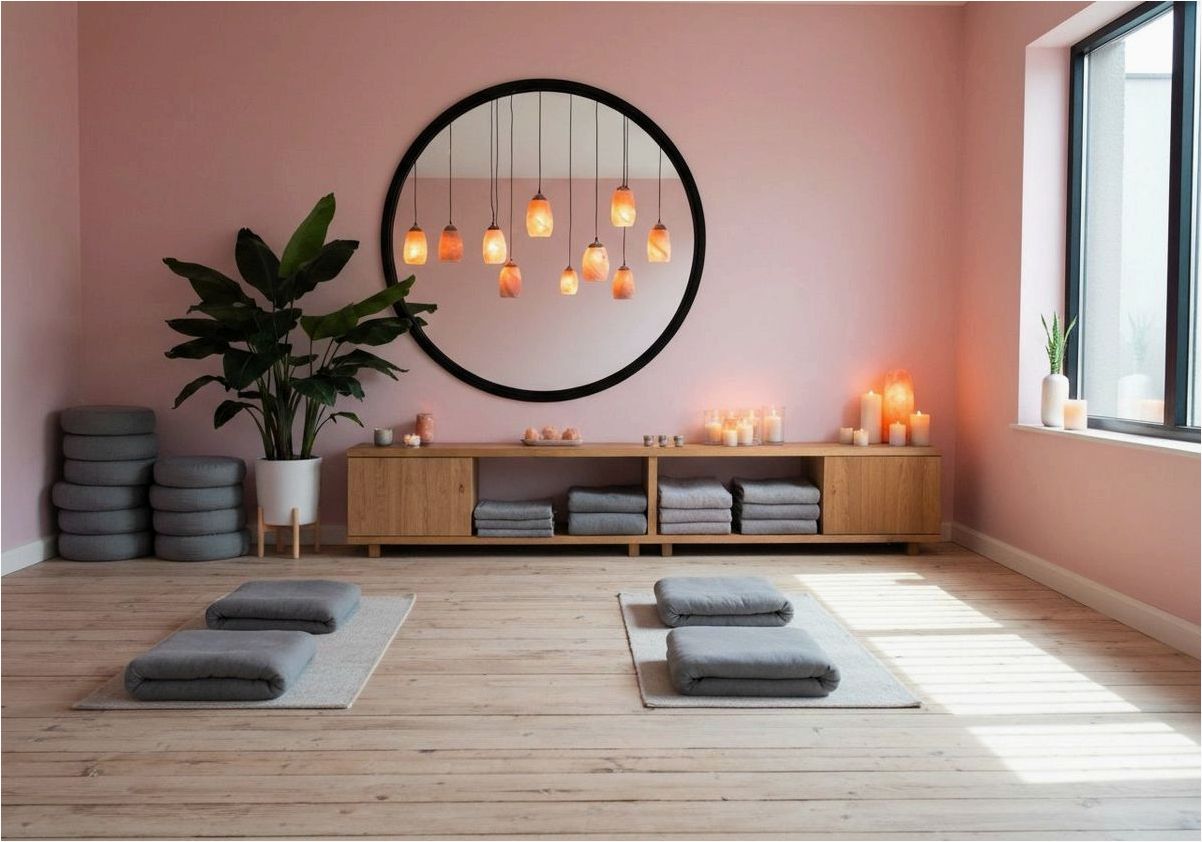
To create a comfortable space for meditation, it’s important to pay attention to a few key aspects. First, choose a spot with minimal noise and movement so that nothing disturbs your concentration. Second, ensure your comfort: use a soft cushion or mat so you can sit comfortably for long periods. Natural light or dim lighting will also help—this promotes relaxation and creates the right atmosphere.
The atmosphere of the space is equally important. You can add elements that you associate with peace and tranquility: scented candles, calming music or nature sounds, live plants, or images that evoke pleasant associations. Regularly keeping your practice space clean and tidy will help create favorable conditions for meditation and make the process more enjoyable and effective.
Four elements necessary for meditation
To ensure that regular practice yields the desired results, it’s best to set aside and arrange a dedicated space for meditation. This corner will serve as a personal “sanctuary” where you can focus exclusively on spiritual practices. Here, a unique atmosphere is created, free from information overload, negative emotions, and distracting thoughts. The space will become inextricably linked with meditation and help you get into the right mindset.
- Ensure a steady flow of fresh air. The room should be ventilated regularly. A lack of oxygen causes lethargy, drowsiness, and apathy.
During meditation, your breathing becomes deep and steady; with good ventilation, oxygen enriches every cell in your body, your heart rate stabilizes, and tension eases.
- Prepare a special mat—an asana mat. The best choice is a wool mat, which helps preserve internal energy and counteracts the Earth’s gravitational pull. It is used at home, taken on trips, and for group spiritual practices. The asana mat absorbs the owner’s energy and retains their vibrations, so you shouldn’t practice on other people’s mats or those found in public yoga studios.
- Place a vessel of water in your meditation space. Water helps open energy channels. Any container will do—a small vase, a bowl, or a simple glass. Water is a symbol of life: it heals and promotes mindfulness. It is sensitive to vibrations—whether emotions, speech, music, or mantras—and helps relieve fatigue and stress, washing away anxiety.
- Light some candles. Fire serves as a conduit to clarity of mind, purifying and renewing the space around you. It transforms negative energies associated with resentment, fear, and disappointment into light and warmth. There’s no need to look for fancy scented candles or ones with intricate shapes—simple church candles or small oil lamps will suffice. Their sincere flame is already capable of effectively cleansing the space on a spiritual level.
In this way, all four elements will be harmoniously united in your meditation corner.
Master the art of relaxation
If your body position is uncomfortable, your legs are swollen, or your arms are in the way, meditation will not yield the desired results, as the body distracts the mind. Assume a classic seated posture, straighten your back so that energy flows freely through your body from bottom to top, and choose an object of focus.
The optimal time for meditation is considered to be dawn or dusk, although you can practice at other times of the day; the main thing is to do it regularly and at the same time. Before beginning your practice, it is important to rest well so that your mind and body are at peace. Make sure you are sitting comfortably and steadily, ask your loved ones not to disturb you in your meditation space, and you are ready to begin your practice.