Five Common Mistakes When Wearing Black
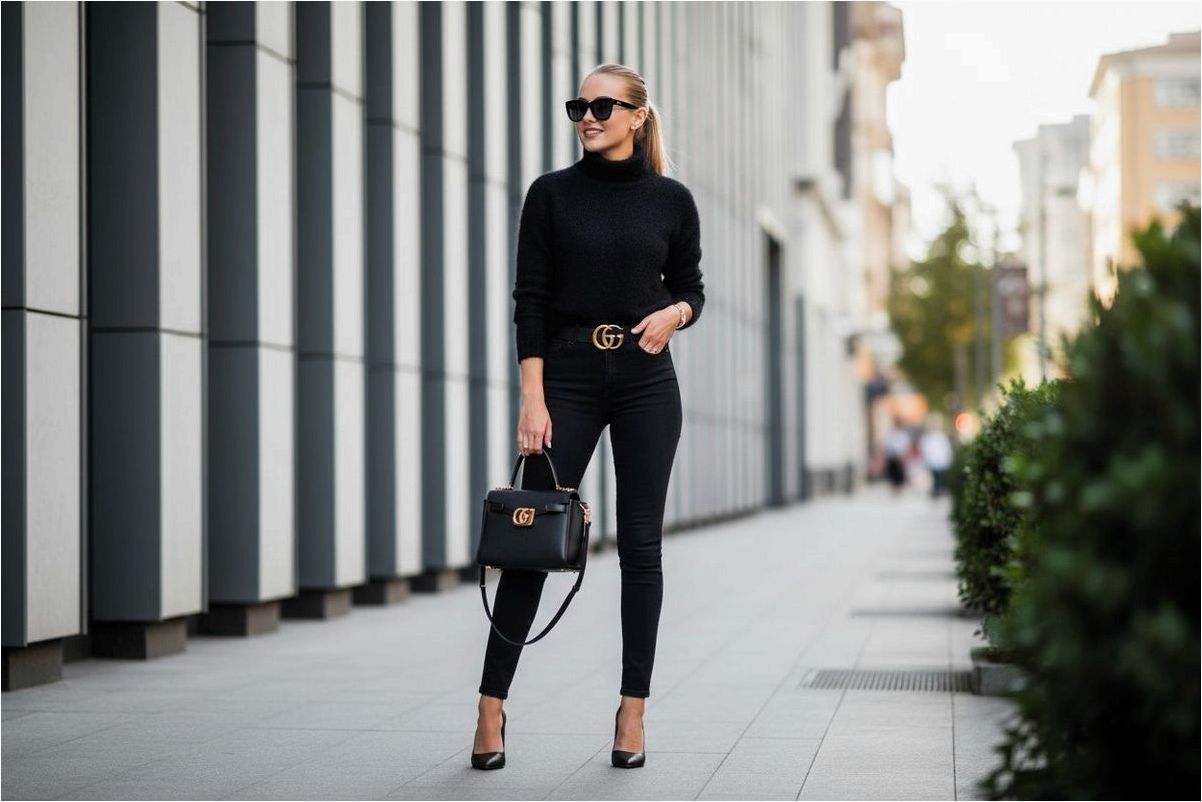
Black is often seen as a versatile and foolproof choice for a stylish look. However, even this color can be worn incorrectly, which will undermine all efforts to create a harmonious outfit. Designer Natalia Shumilovskaya shares the most common mistakes women make when wearing black.
Article contents:
Mistakes in color coordination
Many women prefer to pair black with dark blue or brown shades, believing this to be a winning combination. In reality, such combinations make the look heavy and gloomy. Instead of a stylish and elegant vibe, the result is a dull and faceless appearance.
If you want to add a different accent to an all-black outfit, choose a deep royal blue or a soft sky blue. Also, follow this simple rule: if you’re unsure about a shade of blue—whether it looks black or actually blue—it’s better to avoid that combination so as not to ruin the overall impression.
You should also avoid pairing black with dull or muted brown shades, which can make your look outdated and lackluster. Instead, opt for clean, rich colors. A good solution is to add accents with brightly colored accessories—such as red, burgundy, or ruby—which will liven up your look and give it a “twist.” Don’t forget about textures either: combining matte black with shiny details (lacquer, metallic elements) will make your outfit more interesting and modern.
1. Ignoring accessories
Although the total black look remains fashionable, it usually appears austere and even a bit harsh. Therefore, avoiding additional embellishments is a serious mistake. Accessories make the look more complete and refresh it, adding personality and vibrancy.
Belts, brooches, bags, scarves, and bracelets in contrasting and bold colors—such as white, bright red, deep blue, or sunny yellow—are perfect choices. They’ll make your look unique and interesting.
2. Underestimating the importance of texture variety
To make your outfit look voluminous and vibrant, try combining pieces made from different materials. This rule is especially true for black. Clothes made from the same material in a single shade can look boring and flat.
Don’t be afraid to mix textures—for example, pair a velvet black top with silk pants in a similar shade. Or try pairing a dark cashmere sweater with a light chiffon midi skirt. This technique will add depth and sophistication to your look, making it more layered and expressive.
Pay attention not only to the type of fabric, but also to its texture and sheen. Matte and shiny surfaces, thick and sheer fabrics, smooth and fuzzy—all these contrasts will work to create an interesting and balanced look. For example, pairing rough denim with delicate lace or thick leather with lightweight knitwear will create movement and highlight the individuality of your style.
Also consider the thermal balance of materials: heat-retaining and airy, heavy and light fabrics in a single outfit will not only create originality but also ensure comfort in various weather conditions. By experimenting with different textures, you can create unique combinations that will make you stand out from the crowd.
3. Black near the face—a potential enemy
It is recommended to avoid wearing black near the face, especially for women over 30. This can make you look older, accentuate dark circles and wrinkles, and make your facial features appear harsher and more angular. Therefore, it’s best to avoid black turtlenecks, roll-neck sweaters, and scarves worn close to the face. The same approach should be taken when choosing hats or caps.
If it’s difficult to completely give up your favorite dark items, balance them with light-colored accessories—chains, beads, and necklaces—which will help soften your look.
4. Choosing the wrong shoes
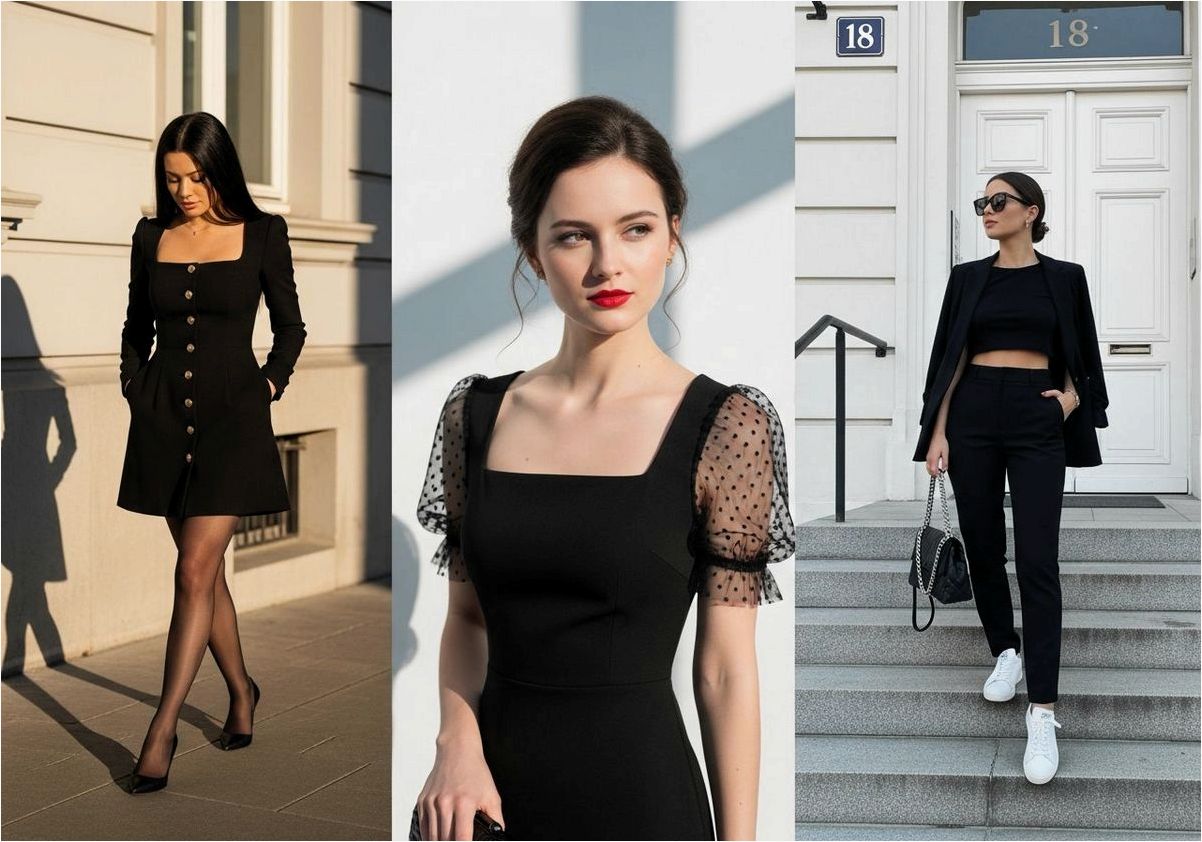
Despite the wide range of possibilities in modern fashion, some rules still apply. Many believe that black and white shades can be freely combined in clothing and footwear, but this is a misconception. Wearing white shoes with an all-black outfit visually breaks up the line of your legs, making the look seem incomplete.
Dark shoes—black, dark brown, gray, red, or even purple for contrast—are a better match for black. If you still want to wear white shoes, incorporate white elements into your look through accessories to achieve harmony.
5. Mistakes in fabric selection and material quality
Avoid low-quality synthetic fibers. They tend to be shiny and prone to static, which makes black appear less deep and creates unwanted reflections. If synthetic fibers are used, look for items that also contain natural fibers.
Check the quality of the fabric’s dyeing. Inexpensive items often use dyes that aren’t durable enough, causing the color to fade quickly after washing. It’s best to choose items labeled “colorfast” or to test the fabric for moisture resistance.
Pay attention to the weave. Fabric with a dense and even weave retains its shape better and is less prone to pilling. This is important for maintaining the neat appearance of black clothing.
Opt for fabrics with a matte finish. Black looks deeper and richer on matte fabric than on shiny versions. Matte fabrics minimize glare, helping to maintain the integrity and elegance of your look.
Check the fabric’s pile and fluffiness. Excessively pile-heavy fabrics can visually soften the black color, making it appear duller. It’s best to choose smooth, even surfaces to preserve the sharpness of the shade.
Five Common Mistakes When Wearing Black
Black is often seen as a versatile and foolproof choice for a stylish look. However, even this color can be worn incorrectly, which will undermine all efforts to create a harmonious outfit. Designer Natalia Shumilovskaya shares the most common mistakes women make when wearing black.
Article contents:
Mistakes in color coordination
Many women prefer to pair black with dark blue or brown shades, believing this to be a winning combination. In reality, such combinations make the look heavy and gloomy. Instead of a stylish and elegant vibe, the result is a dull and faceless appearance.
If you want to add a different accent to an all-black outfit, choose a deep royal blue or a soft sky blue. Also, follow this simple rule: if you’re unsure about a shade of blue—whether it looks black or actually blue—it’s better to avoid that combination so as not to ruin the overall impression.
You should also avoid pairing black with dull or muted brown shades, which can make your look outdated and lackluster. Instead, opt for clean, rich colors. A good solution is to add accents with brightly colored accessories—such as red, burgundy, or ruby—which will liven up your look and give it a “twist.” Don’t forget about textures either: combining matte black with shiny details (lacquer, metallic elements) will make your outfit more interesting and modern.
1. Ignoring accessories
Although the total black look remains fashionable, it usually appears austere and even a bit harsh. Therefore, avoiding additional embellishments is a serious mistake. Accessories make the look more complete and refresh it, adding personality and vibrancy.
Belts, brooches, bags, scarves, and bracelets in contrasting and bold colors—such as white, bright red, deep blue, or sunny yellow—are perfect choices. They’ll make your look unique and interesting.
2. Underestimating the importance of texture variety
To make your outfit look voluminous and vibrant, try combining pieces made from different materials. This rule is especially true for black. Clothes made from the same material in a single shade can look boring and flat.
Don’t be afraid to mix textures—for example, pair a velvet black top with silk pants in a similar shade. Or try pairing a dark cashmere sweater with a light chiffon midi skirt. This technique will add depth and sophistication to your look, making it more layered and expressive.
Pay attention not only to the type of fabric, but also to its texture and sheen. Matte and shiny surfaces, thick and sheer fabrics, smooth and fuzzy—all these contrasts will work to create an interesting and balanced look. For example, pairing rough denim with delicate lace or thick leather with lightweight knitwear will create movement and highlight the individuality of your style.
Also consider the thermal balance of materials: heat-retaining and airy, heavy and light fabrics in a single outfit will not only create originality but also ensure comfort in various weather conditions. By experimenting with different textures, you can create unique combinations that will make you stand out from the crowd.
3. Black near the face—a potential enemy
It is recommended to avoid wearing black near the face, especially for women over 30. This can make you look older, accentuate dark circles and wrinkles, and make your facial features appear harsher and more angular. Therefore, it’s best to avoid black turtlenecks, roll-neck sweaters, and scarves worn close to the face. The same approach should be taken when choosing hats or caps.
If it’s difficult to completely give up your favorite dark items, balance them with light-colored accessories—chains, beads, and necklaces—which will help soften your look.
4. Choosing the wrong shoes
Despite the wide range of possibilities in modern fashion, some rules still apply. Many believe that black and white shades can be freely combined in clothing and footwear, but this is a misconception. Wearing white shoes with an all-black outfit visually breaks up the line of your legs, making the look seem incomplete.
Dark shoes—black, dark brown, gray, red, or even purple for contrast—are a better match for black. If you still want to wear white shoes, incorporate white elements into your look through accessories to achieve harmony.
5. Mistakes in fabric selection and material quality
Avoid low-quality synthetic fibers. They tend to be shiny and prone to static, which makes black appear less deep and creates unwanted reflections. If synthetic fibers are used, look for items that also contain natural fibers.
Check the quality of the fabric’s dyeing. Inexpensive items often use dyes that aren’t durable enough, causing the color to fade quickly after washing. It’s best to choose items labeled “colorfast” or to test the fabric for moisture resistance.
Pay attention to the weave. Fabric with a dense and even weave retains its shape better and is less prone to pilling. This is important for maintaining the neat appearance of black clothing.
Opt for fabrics with a matte finish. Black looks deeper and richer on matte fabric than on shiny versions. Matte fabrics minimize glare, helping to maintain the integrity and elegance of your look.
Check the fabric’s pile and fluffiness. Excessively pile-heavy fabrics can visually soften the black color, making it appear duller. It’s best to choose smooth, even surfaces to preserve the sharpness of the shade.