28 Effective Rules for Staying Slim

This isn’t just a diet—it’s a detailed, practical plan that can transform your eating habits. It will not only help you achieve an attractive appearance but also build healthy habits that will significantly reduce your risk of disease and improve your overall health.
Article Contents:
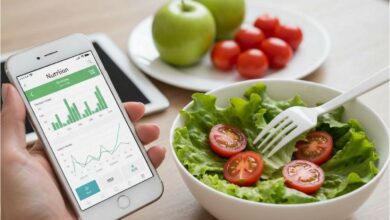
- DAY 1: Keep a food diary
- DAY 2: Don’t skip breakfast
- DAY 3: Cut out high-calorie drinks
- DAY 4: Establish a meal routine
- DAY 5: Cut out fast food
- DAY 6: Allow yourself a “cheat day”
- DAY 7: Cook at home
- DAY 8: Pack your own meals
- DAY 9: Choose natural foods
- DAY 10: Control your portion sizes
- DAY 11: Minimize your consumption of “empty” diet
- DAY 12: Eat vegetables at least twice a day
- DAY 13: Add legumes to your menu
- DAY 14: Include berries in your diet
- DAY 15: Boost your protein intake
- DAY 16: Cut back on food after dinner
- DAY 17: Reduce your intake of artificial sweeteners
- DAY 18: Include salmon in your diet twice a week
- DAY 19: Switch up your breakfast carbs
- DAY 20: Monitor your caffeine intake
- DAY 21: Choose whole grains for lunch
- DAY 22: Cut back on takeout
- DAY 23: Cut out carbs for dinner
- DAY 24: Include vegetables with healthy fats
- DAY 25: Increase your fiber intake
- DAY 26: Cut back on snack bars
- DAY 27: Stock up on healthy snacks in your car
- DAY 28: Start tracking your meals again
fewer unnecessary trips to the store and more savings. Less white bread, more broccoli. Less gossip, more kindness. We often have good intentions, but we only follow through on them partially. We can’t help you with financial planning, but we’re here to support you in developing healthy eating habits and improving your gym results in just four weeks. Make one change each day and stick with it for 28 days—this way, you’ll gradually transform your diet, and by the end of the cycle, you’ll notice how easy it becomes to lose weight and how your energy levels rise.
DAY 1: Keeping a Food Diary
Whether you’re just starting your fitness journey or are already familiar with working out, start a food journal where you record every bite you eat for a week. This will help you become more aware of what’s going into your diet. Put an end to mindless snacking, and then carefully analyze your entries to determine what changes you need to make.
DAY 2: Don’t skip breakfast
Whether you’re just starting your fitness journey or are already familiar with working out, start a journal where you’ll record every bite you eat throughout the week. This will help you realize exactly what’s going into your diet. Put an end to mindless snacking, and then carefully analyze your entries to understand what changes you need to make.
DAY 3: Cut out high-calorie drinks
We know that many people prefer to skip breakfast altogether—according to statistics, about a third of the population does this regularly. And that’s a mistake: breakfast is the key to success! According to the National Weight Control Registry, people who consistently ate breakfast throughout the year lost an average of at least 3.5 kg compared to those who ate a high-calorie diet but skipped breakfast. Start building a healthy habit today—a nutritious breakfast will become an essential part of your day DAY 3: Give up high-calorie drinks opt for drinks with minimal or zero calories: water, tea, and black coffee. Sugary drinks are high in calories and offer virtually no nutritional value. Moreover, studies show that calories from beverages do not reduce
DAY 4: Establish a meal routine
, and we end up eating just as much food as we would if we drank water. Why voluntarily consume extra calories?
DAY 5: Cut out fast food
If you aren’t already doing this, try eating small meals 4–5 times a day instead of three large ones. Treat each meal as a snack to keep your metabolism revved up and prevent overeating. Have one meal 2 hours before your workout and another within an hour afterward for maximum recovery.
DAY 6: Allow yourself a “cheat day”
Avoid drive-thru restaurants and fast-food joints. We understand that giving it up completely might seem difficult, especially if you have kids at home who love that kind of food. So set reasonable limits: choose a small salad and order at most one simple dish—like a chicken sandwich or a plain hamburger.
DAY 7: Cook at home
It’s important not to feel deprived when it comes to food, so you don’t give in to daily temptations. That’s why many experts and athletes set aside one day a week to relax—drink alcohol, enjoy desserts, and indulge a little. For some, one extra meal is enough, rather than a full day of “bingeing.” Choose the option that works for you and stick to it.
DAY 8: Pack your own meals
This week, prepare two healthy meals using the recipes, and then make it a little more challenging: choose four recipes to try cooking next week.
DAY 9: Choose natural foods
If you bring lunch from home instead of buying it out, you’ll cut down on fat and extra calories in your diet. A simple option is a whole-grain sandwich with vegetables or fresh fruit. Gradually work toward bringing your own lunch every workday.
DAY 10: Control your portion sizes
Eat more naturally: oranges instead of orange juice, whole potatoes instead of chips. Make it a goal to replace two commonly consumed foods with their healthier, more natural alternatives.
DAY 10: Control your portions
Many stores sell 100-calorie snack packs. While these products aren’t always healthy, the idea of controlling portion sizes is excellent. When food is pre-portioned into small servings, it’s easier to stop and avoid overeating. Follow this example: buy whole-grain crackers, portion them out for convenience, and take them with you. Measure out grains, check the calorie content of frozen ready-made meals—this will help you better understand what a 2,000-calorie daily intake looks like. Adjust the amount of food based on how hungry you feel.
DAY 12: Eat vegetables at least twice a day
Experts like Yolanda Bergman refer to a diet consisting of low-calorie drinks, diet candies, and other fat-free foods packed with chemicals as “flabber foods.” Cut back on these in your diet and replace them with natural foods when you have a strong urge to snack.
DAY 13: Add legumes to your menu
Include vegetables in your diet at least twice a day. For example, have sliced bell peppers as a snack or a vegetable stir-fry for lunch. Frozen vegetables are a great option because they last longer and don’t spoil quickly. Try to eat at least one green, one red, and one other colored vegetable every day.
DAY 14: Include berries in your diet
Make beans a part of your diet today and eat them at least twice a week. They are a valuable source of protein, carbohydrates, fiber, as well as vitamins and minerals. However, try not to eat them right before a workout, as they take time to digest, and this can make you feel sluggish during your workout.
DAY 15: Boost your protein intake
Use berries to boost your health—add them to your diet three times a week to reap the benefits of their powerful antioxidants. Frozen berries are a great option: they last longer and help you save money. Add them to your morning oatmeal, snack on them, use them in smoothies, or enjoy them as a dessert.
DAY 16: Cut back on food after dinner
For active women, 1 gram of protein per 0.5 kg of body weight is recommended to help with post-workout recovery. Get into the habit of adding protein to both your main meals and snacks. Calculate how much protein you need: for example, a woman weighing 58.5 kg should consume about 58.5 g of protein daily. Review your records from last week and try to meet this goal today.
DAY 17: Reduce your intake of artificial sweeteners
The “don’t eat after 8 p.m.” rule isn’t set in stone, but remember: eating a few hours before bed usually isn’t beneficial. If you don’t work late, avoid starchy carbohydrates 2–3 hours before bedtime. At the same time, you can treat yourself to 20–30 grams of protein in the form of cottage cheese, chicken, or a protein shake—this will maintain muscle mass and aid recovery during the night.
DAY 18: Include salmon in your diet twice a week
Calorie-free sweeteners (Equal, Sweet’N Low, Splenda) replace sugar but train your taste buds to crave excessive sweetness. Your goal is to cut your intake of these by half. Limit yourself to no more than one product containing artificial sweeteners per day.
DAY 19: Switch up your breakfast carbs
Salmon is an excellent source of protein and essential fatty acids. Try to add this healthy food to your menu at least twice a week.
DAY 20: Monitor your caffeine intake
Now that breakfast has become a regular part of your routine, make sure it’s nutritious. First, choose slow-digesting carbohydrates—classic slow-cooked oatmeal, high-fiber grains (at least 5 grams), or whole-grain bread with a similar fiber content. Second, include at least one serving of fresh fruit (not juice!) every day. Eat at least five different fruits per week to diversify your diet and increase its nutritional value.
DAY 21: Choose whole grains for lunch
Caffeine helps boost metabolism, endurance, and strength, and may reduce the risk of developing diabetes. But avoid complex coffee drinks with additives, such as frappuccinos or mochas. Choose plain tea and coffee without sugar or cream. Opt for the simplest options possible to avoid extra calories.
DAY 22: Cut back on takeout
For lunch, choose whole-grain bread, a roll, or a tortilla. Baked sweet potatoes with canned beans, low-fat cheese, and hot sauce are a perfect alternative.
DAY 23: Cut out carbs for dinner
It’s hard to control calories and fat intake if you eat mostly away from home. Cut your restaurant visits roughly in half. Try cooking your own meals starting today.
DAY 24: Include vegetables with healthy fats
Choose whole-grain starchy foods, such as whole-grain pasta or brown rice. If the taste of whole-grain pasta seems unfamiliar to you, mix it with regular white pasta in equal proportions. For dinner, eat only “wet” carbohydrates—vegetables with high water content and low starch levels, including cruciferous vegetables such as broccoli, cauliflower, and cabbage.
DAY 25: Increase your fiber intake
This is good for your heart health and will delight your taste buds. Starting today, try to combine vegetables with healthy fats every day to improve the absorption of antioxidants and vitamins. This is especially important for carotenoids (found in carrots and sweet potatoes, for example) and lycopene (found in oranges and tomatoes). Try adding a few slices of avocado to your salad, spreading peanut butter on celery, serving salmon with asparagus, or drizzling a spoonful of olive oil over stewed vegetables or a leafy green salad.
DAY 26: Cut back on snack bars
Start today by aiming for the recommended daily intake of 25 grams of fiber. How can you do this? Choose grains with at least 5 grams of fiber per serving, as well as bread or rolls that contain at least 2 grams of fiber per slice. Don’t forget to actively include whole vegetables, fruits, and legumes in your diet.
DAY 27: Stock up on healthy snacks in your car
Protein bars are very convenient and often become an overly frequent snack. If your diet consists mainly of such snacks and meal replacements, there’s a chance you’re getting too much of certain nutrients while lacking others. It’s recommended to limit yourself to no more than one bar per day.
DAY 28: Start tracking your meals again
Keep healthy snacks in your car, refrigerator, and gym bag—packaged vegetables (such as green soybeans and carrots), protein bars, and fruit—to avoid going too long without eating and the temptation to snack from vending machines, drive-thru cafes, or fast-food restaurants. Be sure to stock your fridge with enough food for all your daily meals. When traveling, use frozen vegetables in ice packs—they’re even allowed through airport security.