Sports nutrition: myth or effective remedy?
y?

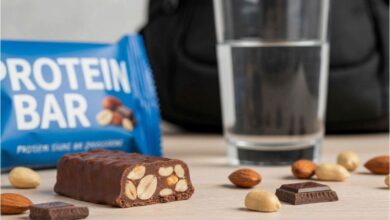
What is sports nutrition? What benefits does it bring? Can regular use of sports supplements actually improve training results? We will try to find answers to these and other questions in our review today!
Contents of the article:
Definition of sports nutrition
Sports nutrition is specialized nutritional supplements that help compensate for the deficiency of substances important for the body. These components include proteins, fats, carbohydrates, as well as vitamins and minerals.
Depending on personal goals, the use of sports supplements can:
- Contribute weight loss ;
- ensure muscle growth;
- Improve physical fitness;
- Strengthen the immune system;
- Increase endurance;
- Take care of the health of bones and joints;
- Make the body more toned and sculpted.
As for the category of users, experts believe that sports supplements are suitable for almost everyone, with the exception of people with medical contraindications.
Sports nutrition categories
Sports nutrition can be classified according to its effect on the body and purposes of use:
- Protein. These are concentrated mixtures containing plant or animal proteins that serve to increase muscle mass and restore after exercise. They help make up for protein deficiency in the diet. Protein comes in different types – whey, casein, soy and others, each of which has its own characteristics of absorption and use.
- Gainer. Foods rich in carbohydrates (and sometimes protein) that provide energy to the body before or after exercise. Allows you to increase your caloric intake, gain weight and muscle mass. Gainers are especially useful for people with fast metabolisms or those who have difficulty gaining weight.
- Amino acids. Complete zero calorie protein based supplements such as BCAA’s. They speed up recovery, promote the growth of lean muscle mass and strengthen the immune system. There are also free radical amino acids aimed at improving endurance and reducing fatigue.
- Fat burners. Products aimed at accelerating metabolism and improving fat breakdown processes, which helps to more effectively reduce body weight during training. It is important to remember that their effectiveness is maximum when combined with proper nutrition and regular physical activity.
- Creatine. A supplement that increases endurance and strength due to fluid retention in the body and increased strength potential. Creatine has been widely researched and found to be safe when used correctly and in dosage.
- L-carnitine. A drug that accelerates metabolism and fat burning processes, improving the functioning of the cardiovascular system and promoting more efficient blood circulation. Often used for weight loss , as well as to increase the overall energy of the body.
- Complexes before and after training. Compositions that improve the energy state of the body both before training and during the recovery process after it. They usually contain a mixture of amino acids, vitamins, minerals and stimulants for maximum effectiveness.
In addition to those listed, there are other types, for example, anabolic steroids – hormonal drugs used by professional athletes during preparation for competitions, the consideration of which is beyond the scope of this article.
A separate category consists of dietary supplements (BAS), which are aimed at supporting various body functions. These include vitamins, minerals, antioxidants and adaptogens to help support immunity, metabolism and overall health during and outside of intense training.
It is important to understand that when choosing sports nutrition, it is necessary to take into account individual needs, physical activity, training goals and health status. Consultation with a specialist – nutritionist or a trainer – will help you choose the optimal set of supplements and avoid possible side effects.

Benefits of sports nutrition
It is widely believed that sports nutrition is an essential element of the training process. However, this is not true. The main task of these supplements is to compensate for the lack of substances that are difficult to obtain in the required quantities with regular food.
Although sports supplements are not necessary, they do offer a number of benefits:
- Balanced diet. For normal functioning of the body, the exact ratio of proteins, fats, carbohydrates, vitamins and minerals is required, especially during intense training. Supplements help compensate for the deficiency of these elements.
- Convenience of reception. Most sports products come in powder form that are easily diluted with water or milk, providing a quick and complete snack in just a few minutes.
- Increasing training efficiency. Certain supplements, such as creatine, protein, and stimulants (such as caffeine or taurine), may help improve physical performance. Often vitamin complexes are also taken to support the body.
- Strengthening the immune system. Multivitamin preparations compensate for the lack of microelements, supporting the body’s defenses and overall health.
Important to remember! The effectiveness of sports nutrition depends on its quality. Be sure to carefully study the composition of the product. For example, some gainers contain fast carbohydrates, which can lead not to muscle gain, but to accumulation fat
Who is sports nutrition recommended for?
Contrary to popular belief, sports supplements are useful not only for professional athletes. Even those who only occasionally go to the gym may benefit from supplementing their diet with certain medications.
Sports nutrition will be useful for people who:
- Do fitness on a regular basis;
- They lead an active lifestyle and do not always find time for proper nutrition;
- Feel a lack of vitamins and minerals;
- They strive to lose weight or bring it back to normal;
Pay attention! Before purchasing sports supplements, be sure to consult your doctor. Some of them may have contraindications for certain diseases. Be careful and responsible!
Thus, sports supplements can provide support to the body, but you should not assume that they will magically speed up the achievement of the goal. The basis for success remains three key factors: quality sleep, balanced nutrition and constant training. Without their observance, no sports nutrition will replace the fundamental basic principles.