Are sports energy drinks necessary when exercising in hot weather?
r?
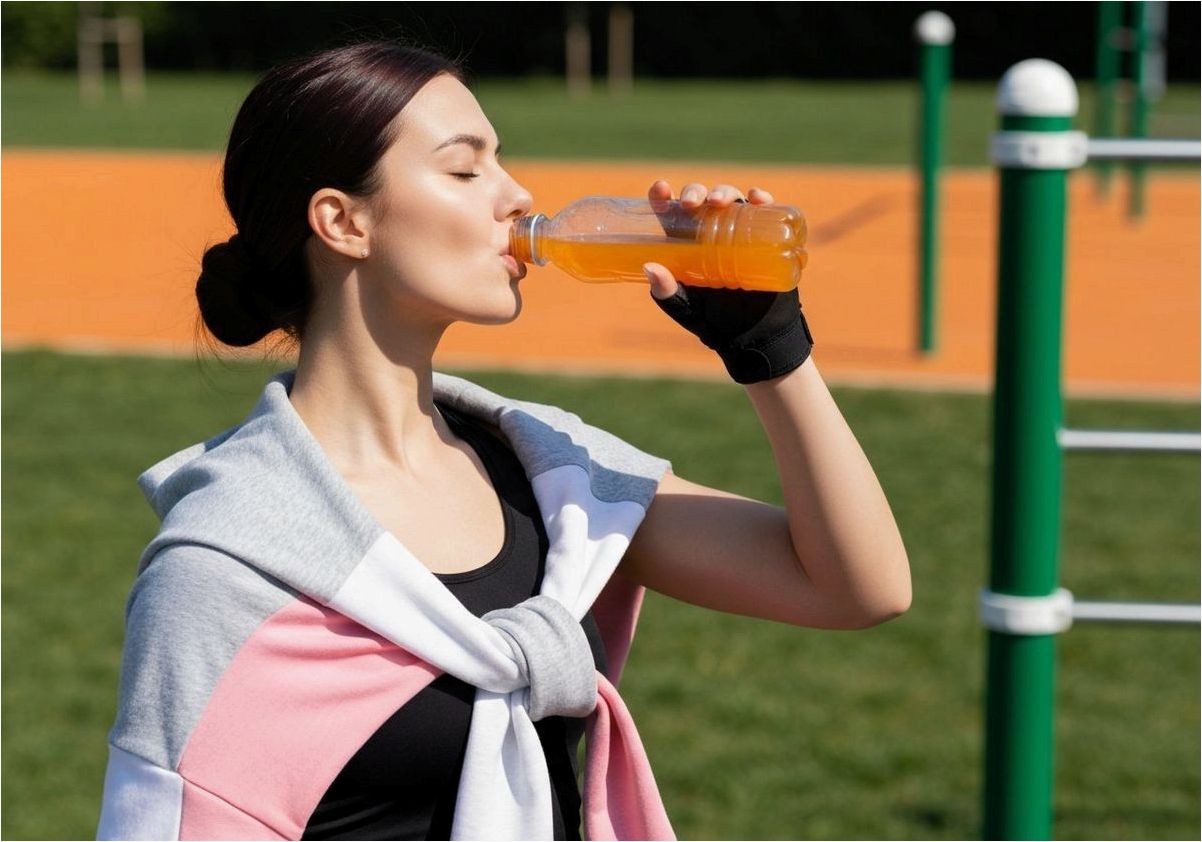
Energy drinks, broadly speaking, are substances that stimulate the body’s activity and increase endurance. The main components of sports energy supplements include:
Article Contents:
caffeine – has a stimulating effect on the central nervous system. There are two forms of caffeine: pure caffeine anhydride and caffeine extracted from guarana. Guarana promotes a more gradual rise in caffeine levels in the blood, and the effect lasts longer.
Beta-alanine – helps reduce the accumulation of lactic acid in muscles, which slows the development of fatigue during prolonged aerobic exercise.
L-carnitine – activates the burning of fat deposits for energy complex energy formulas, known as pre-workout supplements, are also popular in the sports industry. They come in:
With caffeine;
- Decaffeinated.
- Are high temperatures a contraindication for energy drinks?
It’s clear that the combination of heat and caffeine increases the strain on the heart. Regarding other components of energy drinks, ambient temperature, whether indoors or outdoors, does not significantly impact their safety.
However, it’s important to consider that high temperatures themselves create additional stress on the body, contributing to dehydration and increasing the strain on the cardiovascular system. Energy drinks typically contain caffeine and other stimulants, which can increase sweating and promote fluid loss. Therefore, combining energy drinks in hot weather without adequate water intake can lead to dehydration, high blood pressure, and a deterioration in overall well-being. It is recommended, especially during hot periods, to limit energy drink consumption, carefully monitor hydration levels, and immediately discontinue consumption and seek medical attention if any symptoms of deteriorating health (dizziness, rapid heartbeat, weakness) occur.
What are the restrictions on the use of energy drinks?
Concerns about energy drinks have been raised almost since their introduction. However, experts agree that caffeine and beta-alanine themselves are considered safe when used correctly. Health problems are usually associated with improper dosing or consuming products containing multiple powerful stimulants.
In addition to caffeine anhydride, these drinks often contain guarana, a source of additional caffeine, resulting in a double dose of the stimulant.
Excess caffeine can cause toxicity, manifested by increased heart rate, nausea, low potassium levels in the blood, and seizures. Therefore, it is important to carefully select your dose, taking into account your personal sensitivity to the substance. For comparison, a standard cup of espresso contains approximately 110 mg of caffeine, a 500 ml bottle of sports drink contains approximately 200 mg, and a similar volume of cola contains approximately 70 mg. It is recommended not to exceed 300 mg of caffeine daily. The maximum daily doses of beta-alanine and L-carnitine are 4 g and 3 g, respectively.
People with cardiovascular disease are contraindicated in consuming energy drinks containing caffeine. Drinks containing beta-alanine and L-carnitine, unless they have an individual intolerance, are not subject to such restrictions.
The body’s tolerance to caffeine during physical exercise depends on training level, hydration status, and medications. For athletes in good physical condition, caffeine dosages within the recommended limits for pre-workout and energy drinks are considered acceptable.
Furthermore, it is important to consider the time of day when consuming energy drinks—consuming them in the afternoon can disrupt sleep quality and lead to chronic fatigue. Pregnant and breastfeeding women are also advised to avoid energy drinks due to a lack of safety data and the potential impact on the fetus or newborn. Pay special attention to the ingredients in beverages, as many contain high amounts of sugar, which can contribute to obesity, diabetes, and other metabolic disorders when consumed regularly. Sugar-free or low-sugar options are recommended as an alternative.
Finally, mixing energy drinks with alcohol can pose a serious risk, as stimulants mask the sedative effects of alcohol, increasing the risk of overestimating one’s own abilities and developing acute poisoning. Therefore, mixing energy drinks with alcohol is strictly not recommended.
How to Determine the Volume of Fluid Needed to Prevent Dehydration During Exercise
According to the University of Connecticut, losing just 1. 3-2% of body weight due to dehydration negatively impacts training results and also increases anxiety and nervous tension.
We recommend conducting a simple experiment to calculate your fluid needs during exercise:
A. Measure your naked weight to the nearest hundredth of a kilogram before an hour of intense physical activity (e. g., running or cycling). Record your measurement.
B. After completing your workout, weigh yourself again naked. Record your new weight.
C. Subtract your post-workout weight from your starting weight.
The difference in weight (in ounces) corresponds to your hourly sweat rate. This is the amount of fluid you need to replace during each training session.
- To convert your weight to grams, multiply the resulting value by 30. For example, if your weight loss is 350 g, your hourly fluid intake is 350 ml. In this case, it is recommended to drink approximately 100 ml of water every 15-20 minutes during your workout.
- Alternative ways to maintain energy and hydration during intense training
- Eat foods high in electrolytes: bananas, coconut water, and cucumbers will help replenish potassium and sodium lost through sweat. This will support muscle function and reduce the risk of cramping.
Drink clean water regularly, taking small sips every 15-20 minutes during your workout, to avoid dehydration. For long workouts in hot weather, add a pinch of salt and a squeeze of natural lemon juice to your water to maintain mineral balance.
Eat low-glycemic snacks before exercise, such as oatmeal or whole-grain bread with honey. These will provide stable energy levels and prevent sudden blood sugar spikes.
Recover after exercise with protein foods, such as yogurt or cottage cheese, which promote muscle regeneration and support metabolism.
Pay attention to body cooling: damp, cool towels or light clothing will improve thermoregulation, reducing stress on the body and maintaining resistance to fatigue.
Are sports energy drinks necessary when exercising in hot weather?